A pop-up sprinkler head is supposed to rise above the grass when the zone starts, spray its pattern, and drop back down when the zone stops. When heads stop rising fully, coverage falls apart. Grass blocks the spray, water puddles at the head, and the lawn browns in a ring pattern. The first question is whether the problem is one head or the whole zone.
One head will not rise
If the rest of the zone looks normal and one head stays down or barely lifts, the problem is almost always that head.
Dirt and grit. Clay and sand get into the gap between the stem and the body. The stem sticks. Sometimes pulling it up by hand and rinsing it frees it. Often it sticks again.
A worn seal or spring. Old heads leak around the stem, which lets water escape instead of pushing the stem up. The spring that retracts the head can also weaken or break.
A broken body or cap. Mowers, edgers and car tires crack the head. Water pours out of the cracked body rather than lifting the stem.
A clogged nozzle or screen. If the head rises but sprays weakly, the nozzle or the small filter screen under it may be clogged.
The head has sunk. Over years, soil settles and thatch builds up. A head that started at grade ends up an inch or two below the grass. It rises, but not high enough to clear the turf.
Replacing a single head with a matching model and nozzle, on a flexible swing joint, and setting it at the right height solves most of these.
Every head on a zone is weak
If all the heads on one zone barely rise or spray short, the problem is upstream of the heads.
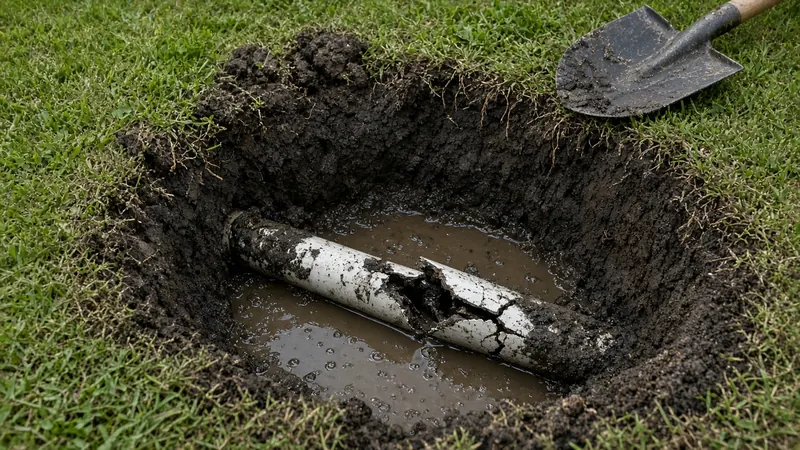
A leak on the lateral. A broken pipe or fitting between the valve and the heads lets water escape before it reaches them. You may see bubbling or a wet spot when the zone runs. See how to find a sprinkler leak.
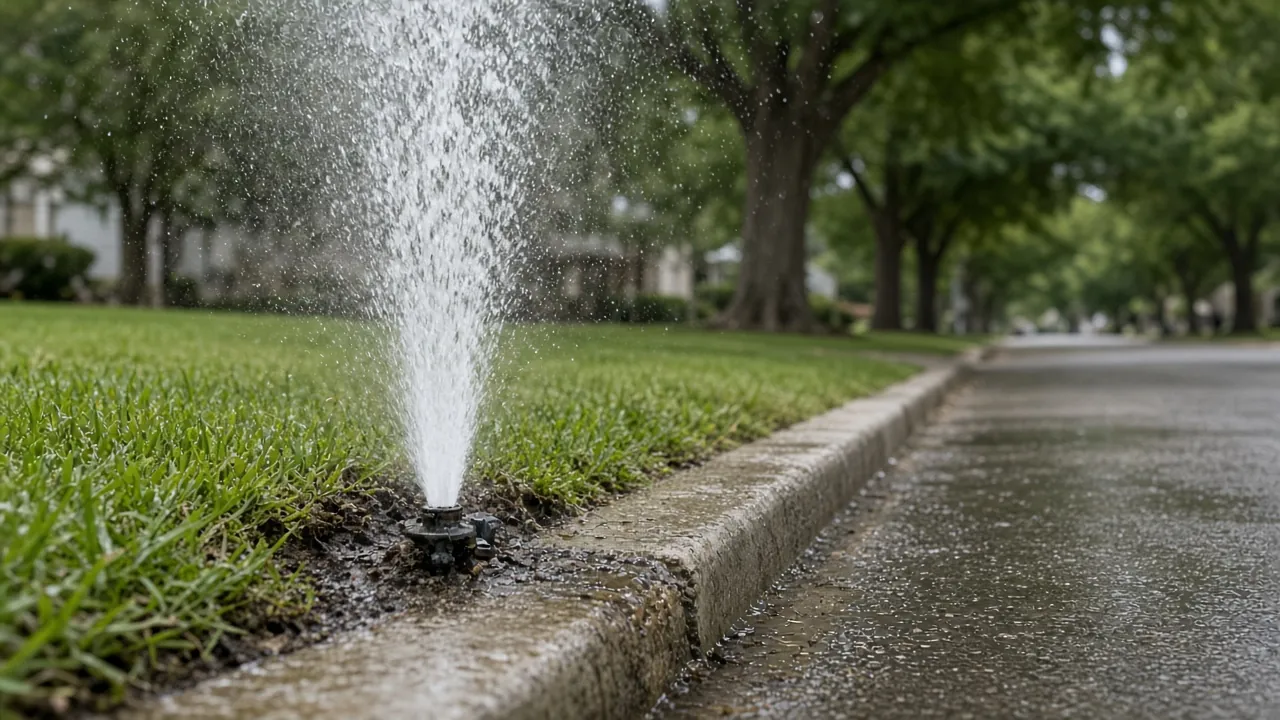
A broken head somewhere on the zone. One head that is missing its nozzle or snapped off at the riser can drop pressure for the whole zone. Walk the zone while it runs and look for a geyser.
The valve is not opening fully. A flow control turned down, a partially clogged valve, or a diaphragm that does not lift fully restricts flow to the zone.
Too many heads on one zone. Some systems, especially builder-installed ones, have more heads on a zone than the water supply can run. It may have worked barely when new, then failed as pressure dropped with age, added heads, or neighborhood demand.
Mixed head types. A zone with rotors and sprays mixed, or with high-flow nozzles added, can starve some heads.
The whole system is weak
If every zone is weak, look at the water supply:
- Is the irrigation shut-off valve fully open?
- Is the backflow device working properly?
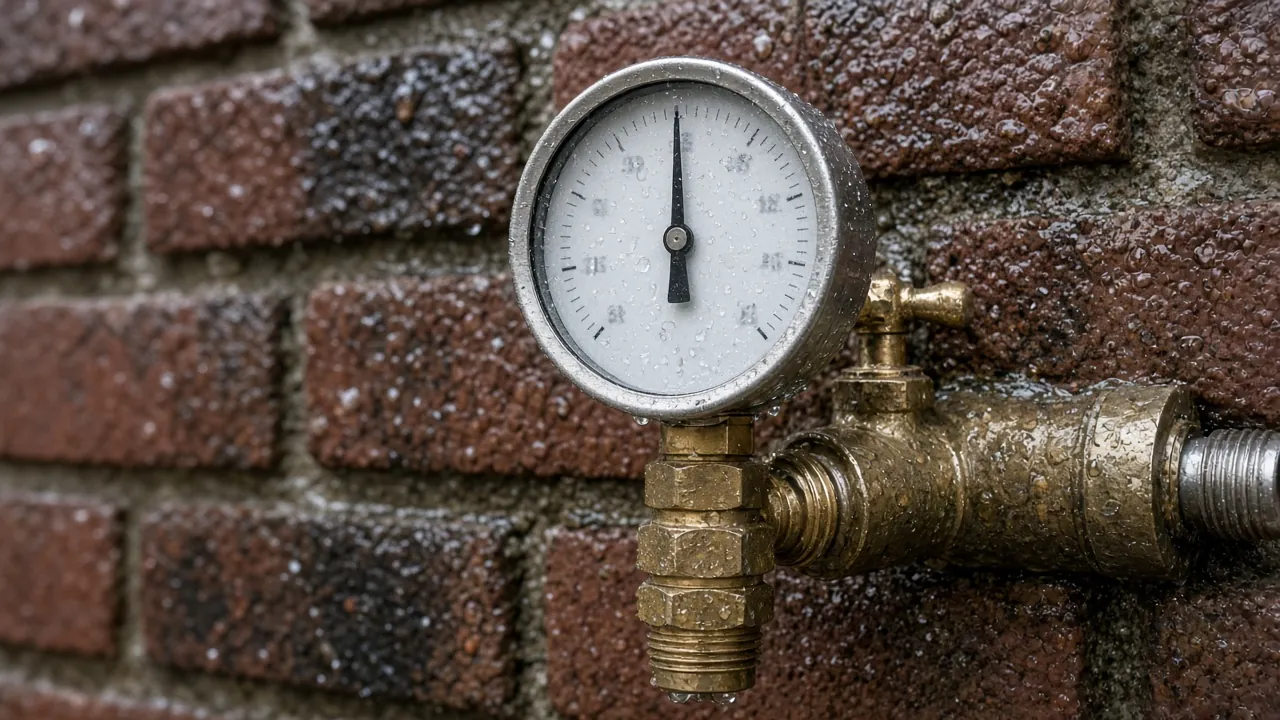
- Is there a mainline leak? The meter test will tell you.
- Is household pressure low too? Early morning demand in a neighborhood can lower pressure, especially when everyone waters on the same days.
Pressure that is too high
The opposite can also cause trouble. Very high pressure makes spray heads mist instead of spray, which blows away and evaporates. If you see a fog around spray heads rather than droplets, pressure may be too high. Pressure-regulating heads or a regulator on the zone can fix this.
Why it matters in Dallas
Heads that do not clear the grass put water in a ring right around the head and leave the rest dry. The lawn browns between heads even though the zone runs. The City of Dallas ordinance requires broken and misdirected heads to be repaired, and a geyser from a broken head can draw a warning for runoff.
What we do on a visit
We run the zone and look at every head. We check for leaks and broken heads first, since they are the most common cause of a weak zone. Then we check the valve and flow control. If the zone is overloaded, we can split it into two zones or swap nozzles to lower the demand. For single heads, we replace with matched parts at the right height.
A note on matching
When you replace a head, match the type and the nozzle. A zone should have heads with similar precipitation rates. Mixing a high-flow nozzle into a zone of standard ones throws the balance off. That is one of the most common causes of brown spots in a watered lawn.
Call us
If heads are not rising, call 469-208-4222. Tell us whether it is one head, one zone, or the whole system. That tells us what to bring.
Have a question this did not answer? Call 469-208-4222 and ask. More articles on the blog.