New sod is one of the more expensive things you can put in a yard, and the first few weeks of watering decide whether it takes. Sod has very short roots when it arrives. Until those roots grow into the soil below, the grass depends on frequent water.
Before the sod goes down
Fix the sprinklers first. Installing sod is a lot of foot traffic, and installers often move or break heads. Make sure every zone works, heads are at the new grade, and coverage is even before the sod arrives. A broken head under new sod means a brown rectangle in two weeks.
Wet the soil. Moisten the prepared soil before laying sod so the roots touch damp ground.
The first two weeks
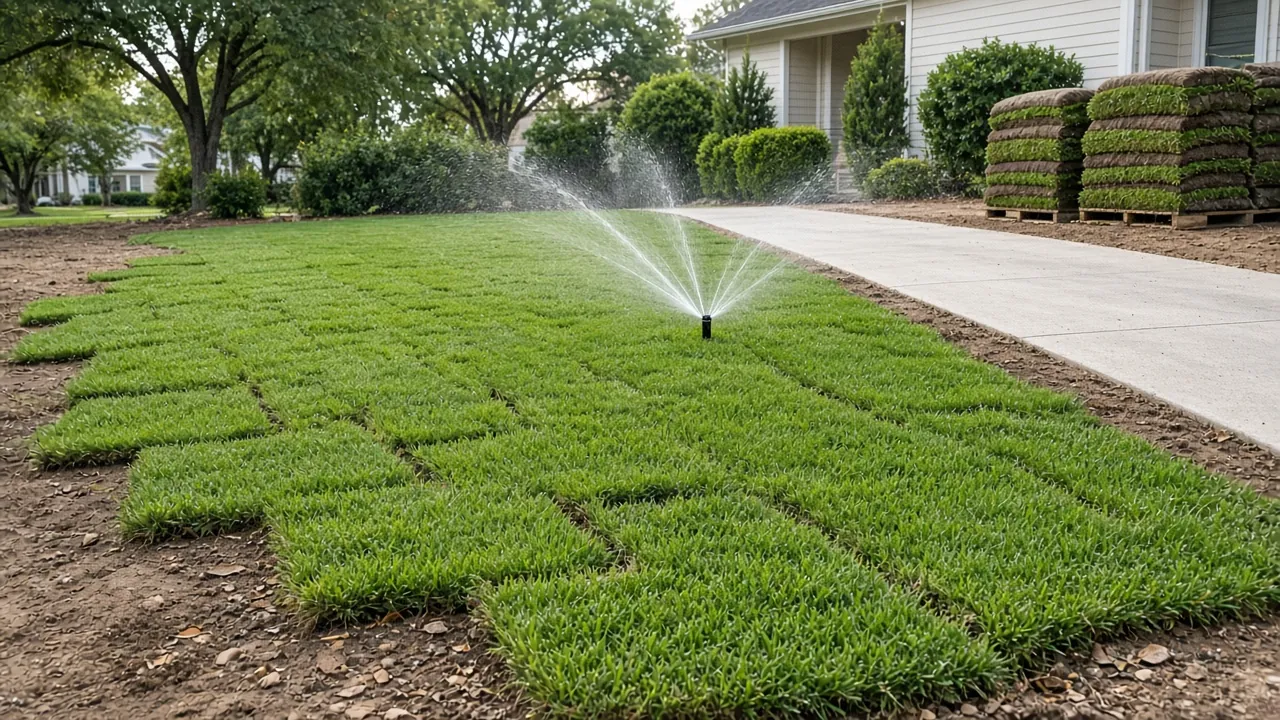
The aim is to keep the sod and the top inch or so of soil underneath damp, not soaked.
- Water right after installation until the soil under the sod is wet. Lift a corner to check.
- For the first week or two, short waterings more than once a day are often needed, especially in summer heat.
- Avoid puddling. On clay, standing water under sod rots the roots instead of growing them.
Weeks two to four
Once you can tug gently on the sod and it resists, roots are growing in. Now begin to water less often but longer, so the roots follow the water down. Shift gradually toward the established-lawn schedule.
After about a month
By then the lawn should be on a regular schedule within the twice-a-week rules, with cycle and soak on clay. See cycle and soak for Dallas clay.
The Dallas rules and new sod
Normal sprinkler watering in Dallas is limited to two days a week by address, and never from 10 a.m. to 6 p.m. New sod usually needs more than that for the first couple of weeks. You have two options:
- Hand watering is allowed any day. A hose with a sprinkler attachment you move by hand counts as hand watering, but check with the city if you are unsure how your setup counts.
- Request a variance. The city’s ordinance page lists a request process for exemptions and variances. Check the current requirements and timing before your sod is delivered.
See the Dallas watering rules explained.
Timing your installation
The best time to lay warm-season sod in Dallas is when the grass is actively growing, from mid-spring through early summer. Late-summer installs need more water to survive the heat. Installing in late fall or winter is possible but the sod will not root much until spring.
Signs of trouble
- Gaps opening between pieces: the sod is drying and shrinking. Water more often.
- Brown edges: edges dry out first. Make sure heads reach them.
- Soggy, foul-smelling soil: too much water. Back off.
- Mushrooms: usually harmless, but a sign it is staying very wet.
- One brown patch: look for a broken or blocked head.
Grass choice
St. Augustine and Bermuda are the two most common lawn grasses in Dallas. Bermuda needs full sun. St. Augustine tolerates more shade. Zoysia is another option. The Texas A&M AgriLife turf program has good information on choosing a grass for your yard.
Call us
If you are planning new sod, call 469-208-4222 before it goes down. We can repair and adjust the system so the new lawn gets even water from day one.
Sources
Have a question this did not answer? Call 469-208-4222 and ask. More articles on the blog.