Smart sprinkler controllers have become common in Dallas homes. They connect to Wi-Fi, use weather data to adjust watering, and let you control the system from a phone. They can save a lot of water. They can also run a broken system very efficiently. Here is what to expect.
What a smart controller does
A traditional controller runs the schedule you set, every time, until someone changes it. A smart controller adjusts based on information:
- Weather data. It skips watering when rain is forecast or has fallen, and adjusts for temperature and season.
- Evapotranspiration. Many calculate how much water the lawn has lost to evaporation and plant use, and water to replace it.
- Zone settings. You tell it each zone’s plant type, sun exposure, soil type, slope and head type. It uses that to set run times and cycle and soak.
- Remote control. You can start, stop and check zones from your phone.
What it does well
Seasonal adjustment. The biggest waste on traditional controllers is the summer schedule left running in October. A smart controller turns it down automatically.
Skipping rain. It holds off when it rains, often more reliably than an old disc sensor.
Cycle and soak. If soil and slope are set correctly, many smart controllers split run times automatically, which is a big help on clay. See cycle and soak for Dallas clay.
Restrictions. Most let you set allowed watering days and blackout hours, so you can lock in the Dallas twice-a-week schedule and the 10 a.m. to 6 p.m. ban.
What it does not do
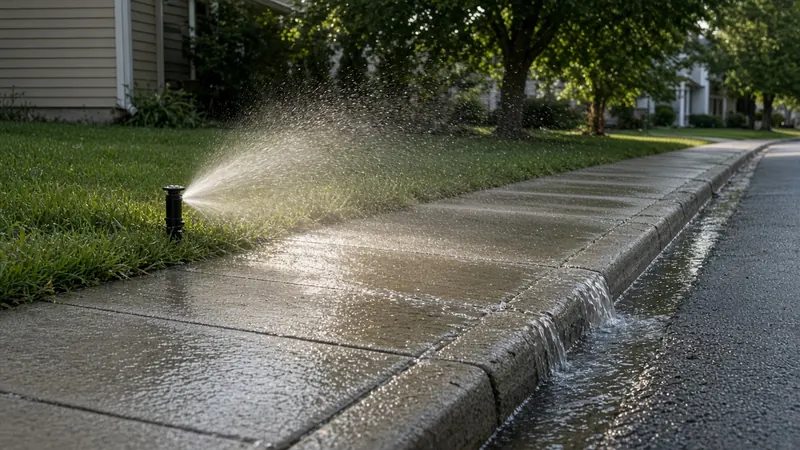
Fix broken parts. A smart controller cannot see a geyser, a leak or a stuck valve. It will water a broken zone exactly as precisely as a working one.
Fix bad coverage. If heads are mismatched, sunk or misaimed, the lawn will still brown in spots. A smart schedule cannot make up for water landing in the wrong place.
Fix bad setup. If zones are set with the wrong soil, sun or head type, the controller’s calculations are wrong. A zone of rotors set up as sprays will be badly underwatered. A shade zone set as full sun will be overwatered.
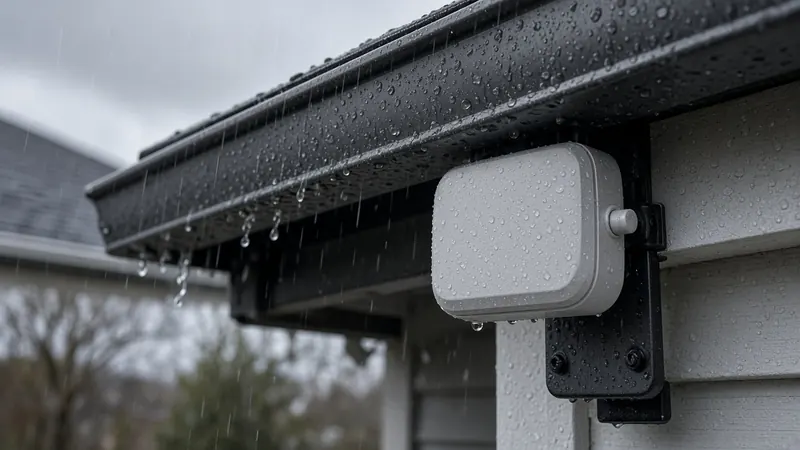
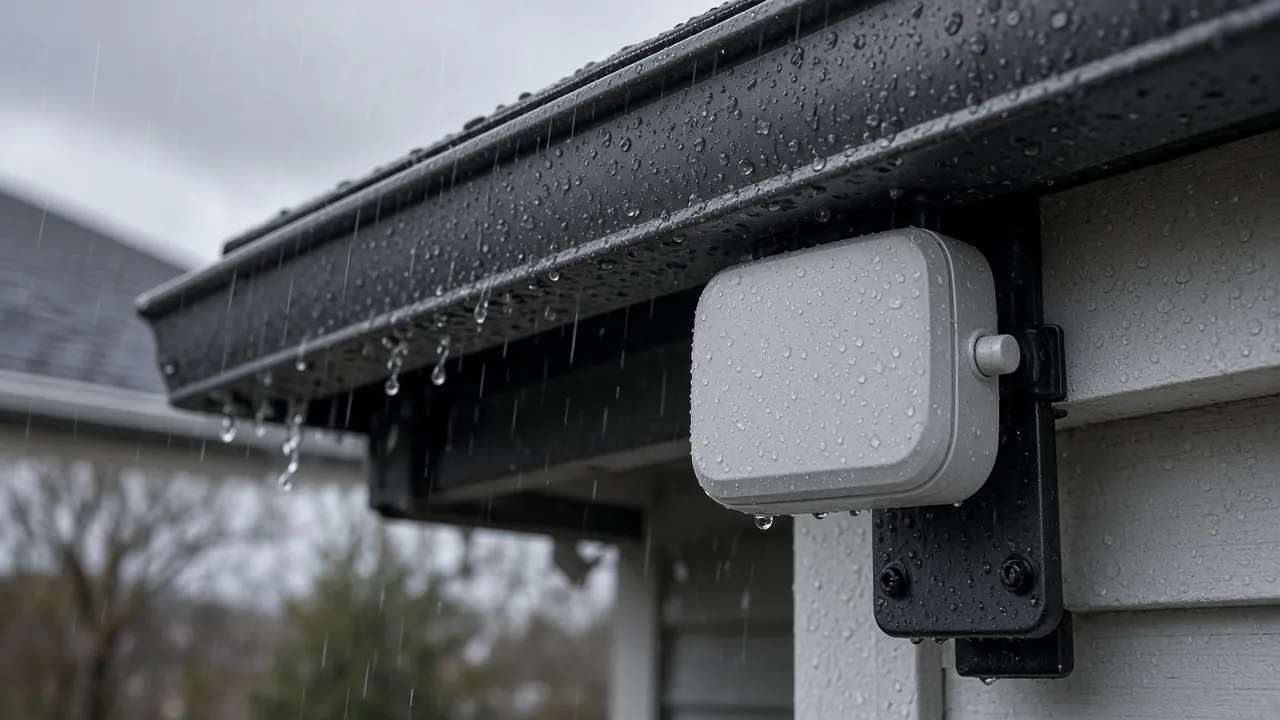
Replace a sensor everywhere. The City of Dallas requires rain and freeze sensors on automatic systems. Weather data can miss a local storm. Many people keep a physical sensor connected to the smart controller. See rain and freeze sensors.
Setup is the part that matters
Most disappointments with smart controllers come from rushed setup. To get it right:
- Identify each zone. Walk each zone while it runs and note what it waters.
- Set the head type. Spray, rotor, rotary nozzle or drip. This sets the application rate.
- Set soil type. Most Dallas yards are clay.
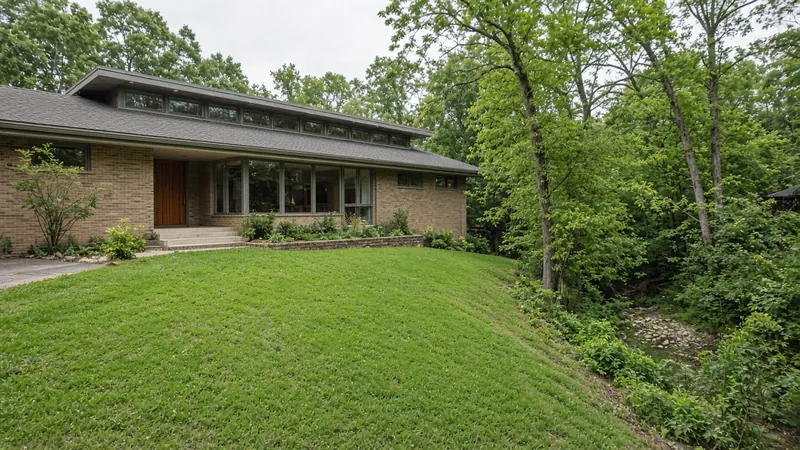
- Set slope and sun. These affect cycle and soak and water need.
- Set the plant type. Lawn, shrubs, flowers, trees.
- Set restrictions. Your two Dallas days, and the blackout hours from 10 a.m. to 6 p.m.
- Watch the first few weeks. Adjust zones that look too wet or too dry.
Fix the system first
Before installing a smart controller, it is worth getting the system working properly: repair leaks, replace broken heads, match nozzles, and check valves. Then the smart controller has a good system to run. Otherwise it saves water on paper while the lawn keeps browning in the same spots.
Is it worth it?
For many households, yes, especially if the old controller is set and forgotten. Some water providers offer rebates for approved smart controllers; Dallas Water Utilities lists rebates and incentives on its Save Dallas Water website, so check what is currently available before buying.
A basic controller set correctly, with a working rain and freeze sensor and seasonal adjustments, gets you much of the same benefit. The smart part matters most for people who will not adjust the schedule themselves.
Wiring and power
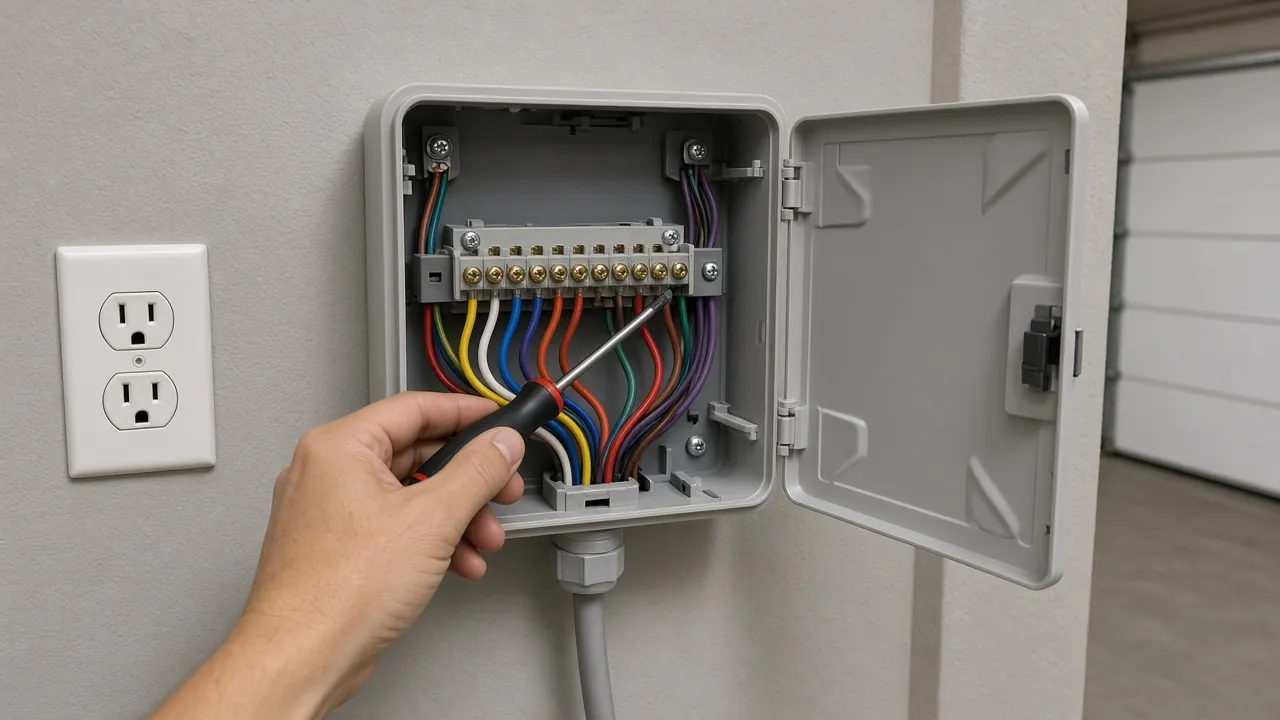
Smart controllers use the same zone wires and common wire as traditional ones. They need a power outlet and a Wi-Fi signal strong enough to reach the controller location, often a garage. If the signal is weak, an extender may be needed.
Call us
If you want a smart controller installed and set up correctly, or your current one is not working the way it should, call 469-208-4222. We will fix what is broken and set every zone up so the controller has the right information.
Sources
Have a question this did not answer? Call 469-208-4222 and ask. More articles on the blog.