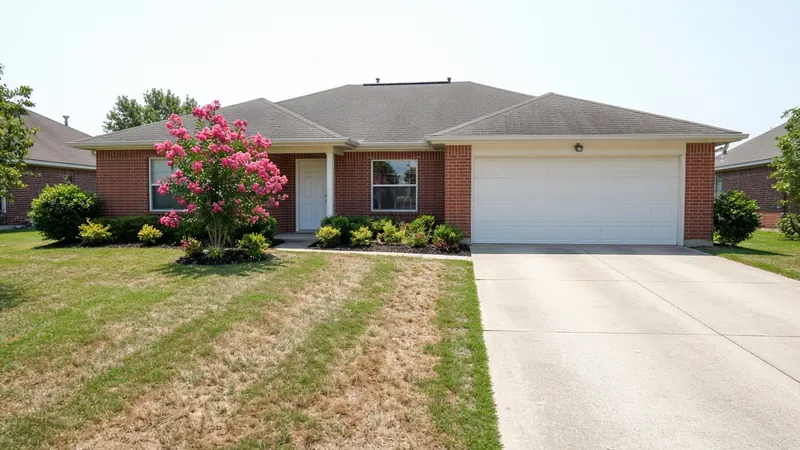
In Lake Highlands, Lakewood, Casa Linda and much of East Dallas, the live oaks, pecans and elms planted decades ago now shade large parts of the lawn. The sprinkler systems in many of those yards were laid out when the trees were young and the lawn was in full sun. That mismatch causes a lot of the problems we see.
Shade grass needs less water
Grass in shade uses much less water than grass in full sun. Less sun means less evaporation and slower growth. When a shady area is on the same zone as a sunny area, or on a zone set for full sun, it gets far more water than it needs.
The result is often the opposite of what people expect. The grass under the tree gets thin, soft and patchy, and the owner turns up the water to help it. That makes it worse. Constantly wet shade turf is prone to fungal disease and shallow roots, and it does not have enough light to recover.
The real limit is light
Most warm-season grasses used in Dallas need a good amount of direct sun. Bermuda needs the most and does poorly in shade. St. Augustine tolerates more shade than Bermuda, and some cultivars are bred for it, but even shade-tolerant St. Augustine thins out under a dense canopy. Zoysia handles some shade as well.
If an area gets very little direct sun, no amount of water will keep a thick lawn there. Thinning the canopy (by a certified arborist), switching that area to a shade-tolerant groundcover, or turning it into a mulched bed with drip are often better options than fighting it.
Separate sun and shade zones
The best fix on the irrigation side is to water sun and shade areas on separate zones so each can have its own run time. Options include:
- Splitting the zone. Adding a valve and some pipe so the shady heads run separately.
- Changing nozzles. On a zone that cannot be split, using lower-flow nozzles on the shady heads reduces how much water lands there.
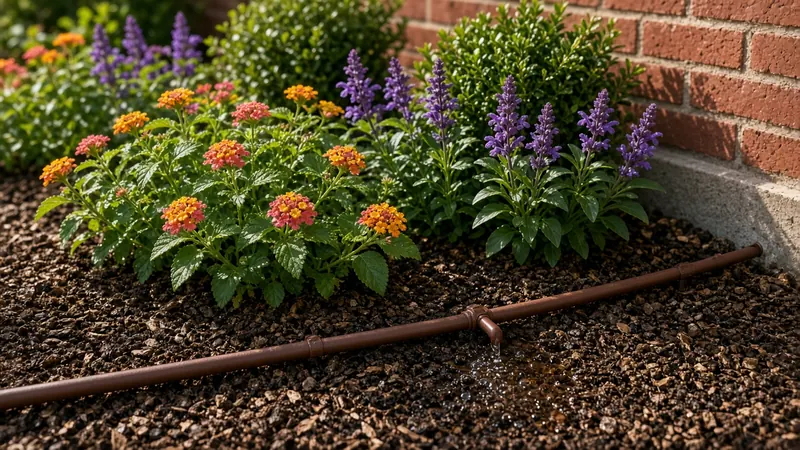
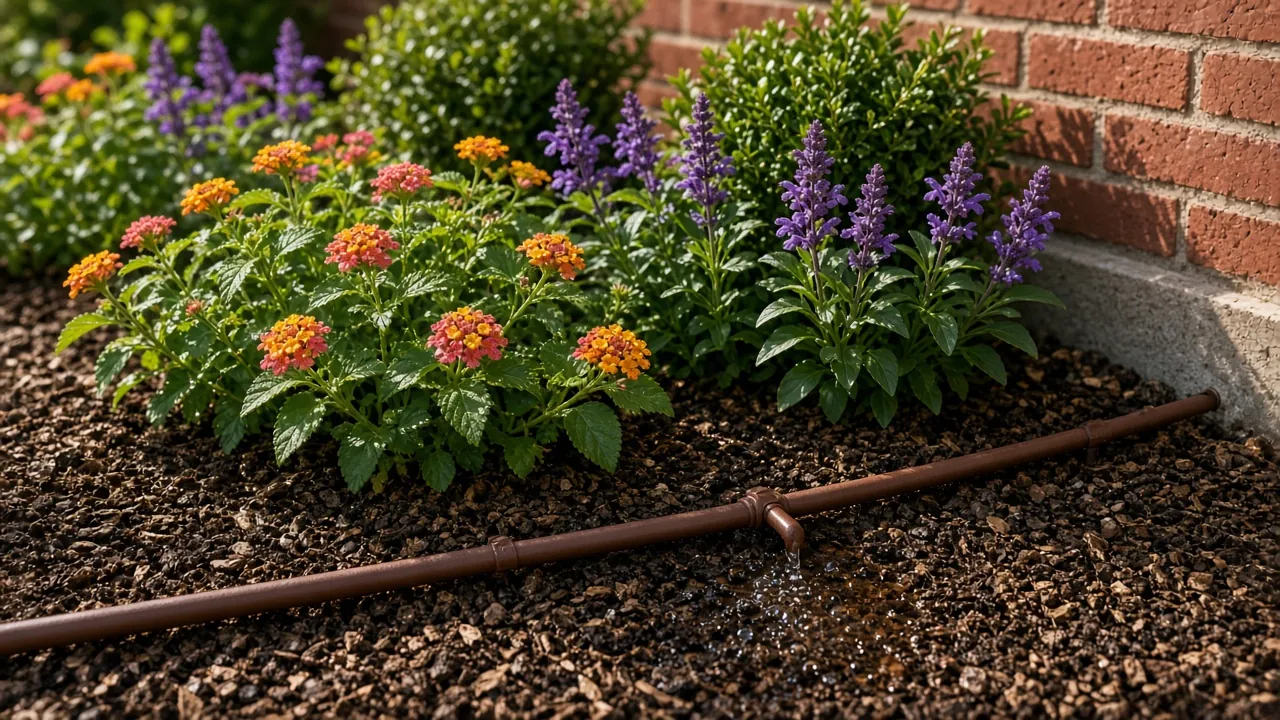
- Capping heads. If a few heads are watering a bed or an area that no longer needs it, capping them or converting them to drip.
Once the shade zone is separate, set it for much less water than the sunny zones and adjust it through the seasons.
Roots and pipes
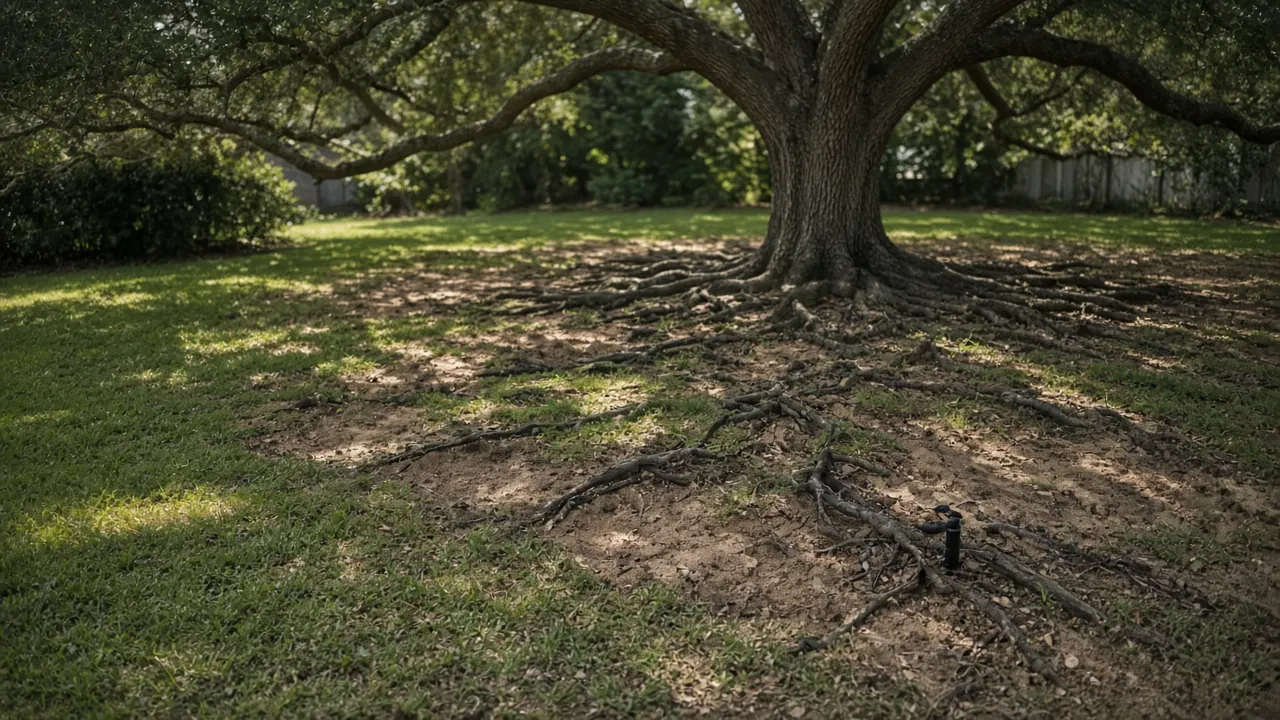
Tree roots do not usually break into a pipe on their own, but they do cause problems. Roots grow around and under lines and lift them as they thicken. Combined with clay movement, that cracks fittings and lifts heads out of level. Roots also wrap around valve boxes and heads.
When we repair a line near a large tree, we dig by hand and avoid cutting major roots. Cutting large roots can harm the tree. If a line keeps failing because of roots, it may make sense to reroute it a bit farther from the trunk rather than repair it in the same spot repeatedly.
Trees need water too
In a long dry summer, mature trees benefit from deep, slow watering out near the edge of the canopy, where most of their feeder roots are, not right at the trunk. Lawn sprinklers water only the top few inches. If you have valuable trees, a soaker hose or a drip ring around the dripline during a drought can help. The City of Dallas allows soaker hoses on any day.
Avoid piling soil or mulch high against the trunk, and avoid trenching through the root zone when adding irrigation.
Signs your shade zone is overwatered
- Grass under the tree is thin, yellowish or mushy
- The soil stays damp for days after watering
- Mushrooms or algae appear
- Brown patch or other fungus shows up in spring and fall
- The sunny parts of the same zone look fine or even a bit dry
A typical fix
On a typical older Dallas lot, we might:
- Separate the shaded front lawn from the sunny parkway onto different zones
- Lower the nozzle flow on the shaded heads
- Convert the bed under the tree from spray heads to drip
- Repair lifted or cracked laterals near the roots and reset heads level
- Program the shade zone for roughly a third to half of the sunny zone’s time, then adjust by season
Call us
If the lawn under your trees is struggling, call 469-208-4222. We can look at how the zones are laid out and set them up so the shade gets what it needs and nothing more.
Sources
Have a question this did not answer? Call 469-208-4222 and ask. More articles on the blog.