Smart Irrigation Controllers Explained
Smart irrigation controllers automatically adjust watering schedules based on weather, seasonal conditions, and local rainfall. They improve watering efficiency, reduce water waste, and allow homeowners to manage irrigation remotely using a smartphone or tablet.
Why Upgrade To A Smart Controller
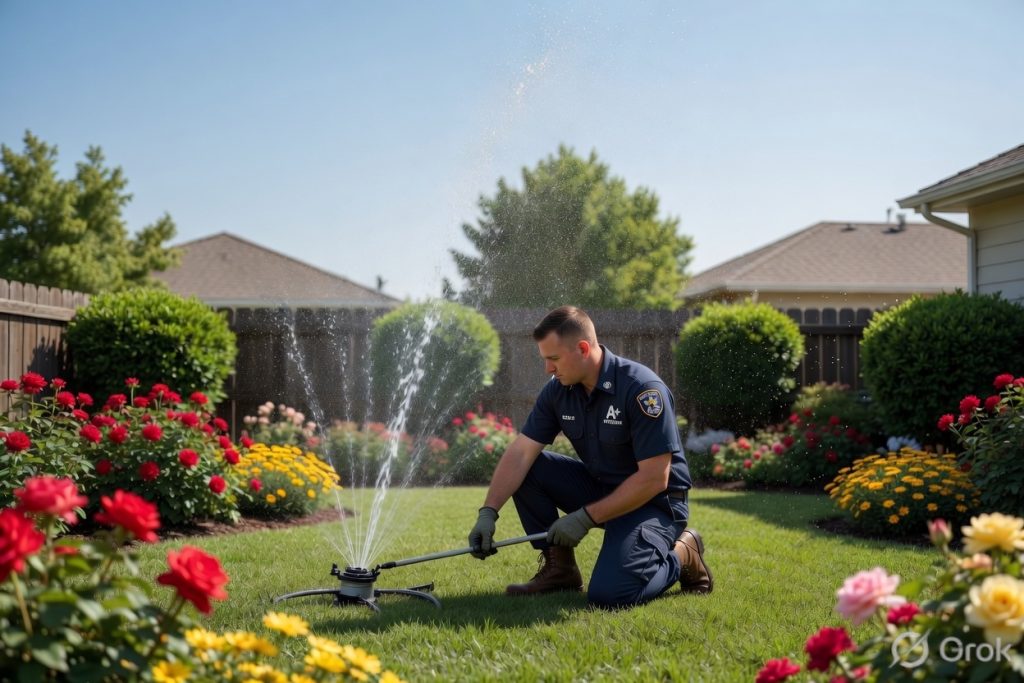
Regular sprinkler inspections help prevent expensive irrigation repairs, reduce water waste, improve lawn health, and ensure every zone operates correctly. Small issues such as clogged nozzles or leaking valves can quickly become larger problems if ignored.
Installation & Setup Guide
- Spring: Full system startup inspection.
- Summer: Check coverage and water pressure monthly.
- Fall: Inspect heads, valves, and controller before cooler weather.
- Winter: Inspect exposed components and prepare for freezing temperatures when necessary.
Water-Saving Tips
- Look for broken or tilted sprinkler heads.
- Check for soggy spots and hidden leaks.
- Verify each irrigation zone operates correctly.
- Test the controller schedule.
- Adjust spray patterns to avoid sidewalks and driveways.

Smart Controller Features
A complete inspection includes sprinkler heads, valves, controllers, wiring, underground pipes, water pressure, coverage patterns, and irrigation zones to ensure efficient operation.
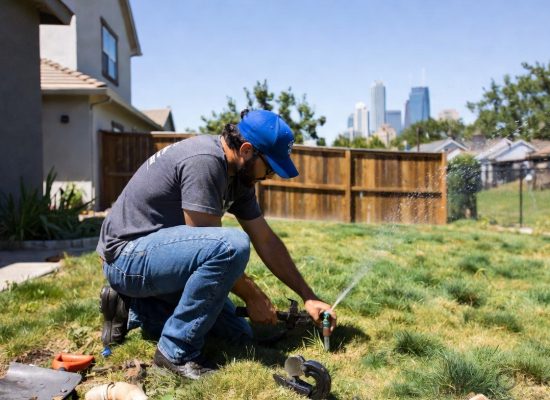
How Smart Irrigation Controllers Work
When To Upgrade Your Irrigation Controller
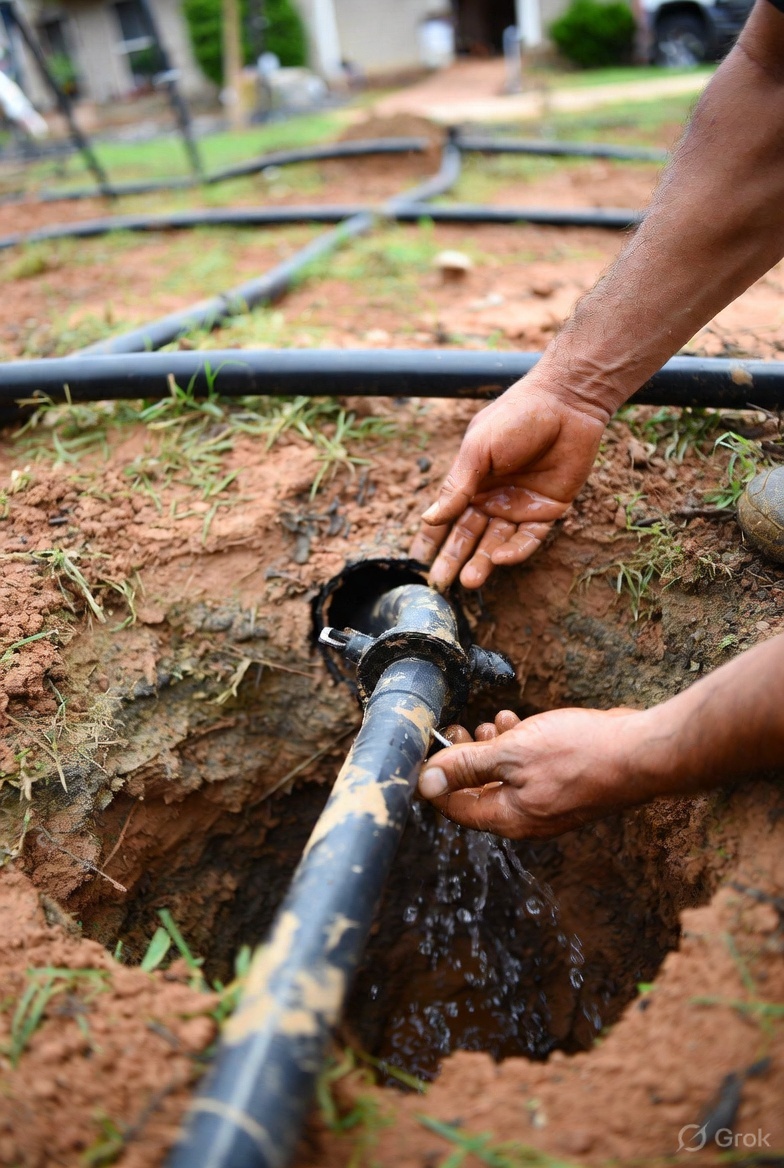
If you notice recurring leaks, low water pressure, electrical controller problems, zones that fail to activate, or unexplained increases in your water bill, a professional inspection can identify the underlying cause before it results in major repairs.
Benefits Of Smart Irrigation
Preventive inspections extend the life of sprinkler components, improve watering efficiency, reduce landscape damage, and help lower monthly water costs.

Smart irrigation controllers automatically adjust watering schedules based on weather, seasonal conditions, and local rainfall. They improve watering efficiency, reduce water waste, and allow homeowners to manage irrigation remotely using a smartphone or tablet.

Smart irrigation controllers automatically adjust watering schedules based on weather, seasonal conditions, and local rainfall. They improve watering efficiency, reduce water waste, and allow homeowners to manage irrigation remotely using a smartphone or tablet.

Smart irrigation controllers automatically adjust watering schedules based on weather, seasonal conditions, and local rainfall. They improve watering efficiency, reduce water waste, and allow homeowners to manage irrigation remotely using a smartphone or tablet.
Common Smart Controller Features
Smart irrigation controllers automatically adjust watering schedules based on weather, seasonal conditions, and local rainfall. They improve watering efficiency, reduce water waste, and allow homeowners to manage irrigation remotely using a smartphone or tablet.
- Unexpected increase in your water bill
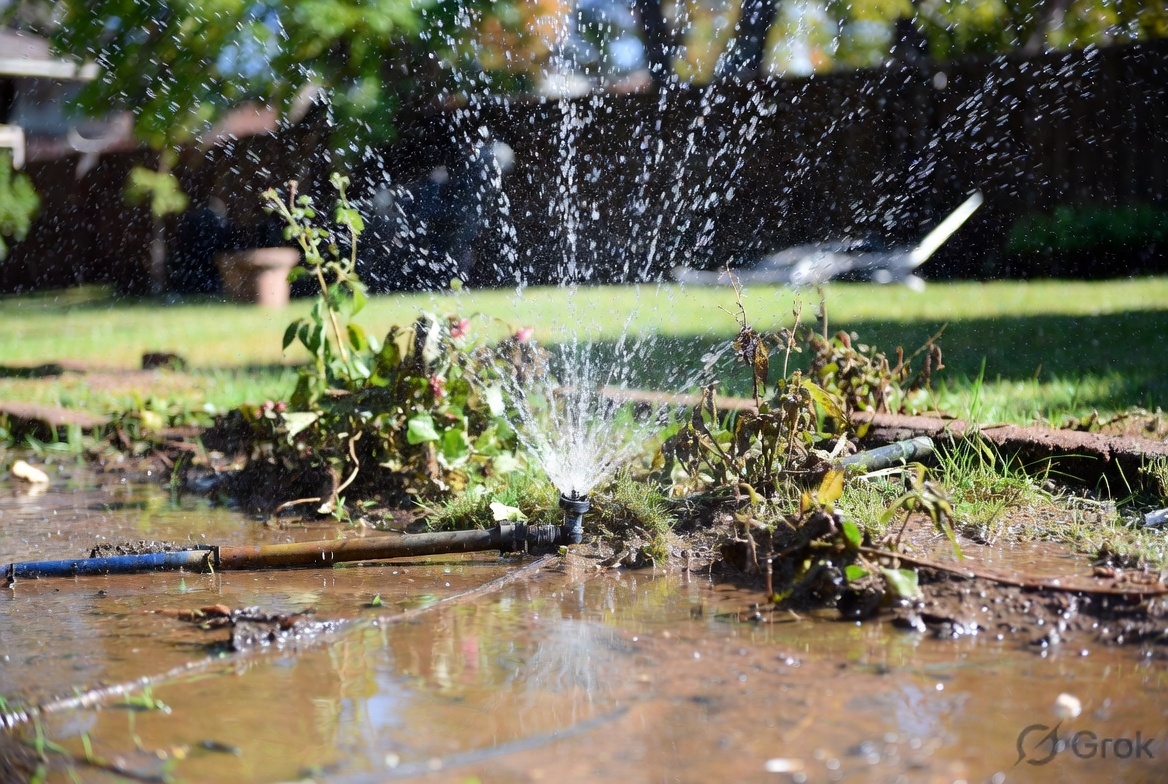
- Soggy or muddy areas in your lawn
- Standing water near sprinkler heads
- Water bubbling from the ground
- Sprinkler heads leaking when the system is off
- Low water pressure in one or more zones
- Uneven watering patterns
- Brown or dry spots in your yard
- Constantly running sprinkler zones
Request Service
Smart irrigation controllers automatically adjust watering schedules based on weather, seasonal conditions, and local rainfall. They improve watering efficiency, reduce water waste, and allow homeowners to manage irrigation remotely using a smartphone or tablet.