A zone that will not come on usually shows up as a strip of lawn or a bed that turns brown while the rest of the yard looks fine. Before anyone replaces parts, it helps to know that a zone has three main pieces: the controller output, the wire running out to the valve, and the valve itself. Something in that chain is broken.
Quick checks you can do
Check the controller programs. Make sure the zone has a run time in the active program. It is surprisingly common for a zone to be set to zero minutes, or for the zone to be assigned to a program that has no start times.
Run the zone manually. Most controllers have a manual or test function. Start the zone by hand and see if anything happens.
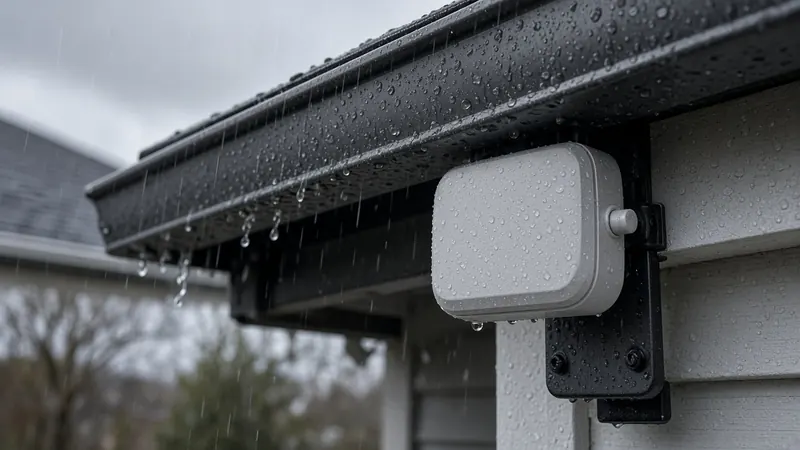
Check the sensor. If no zones run at all, a rain or freeze sensor might be holding the system off. Many controllers show an icon or message when the sensor is active. In a dry spell, a stuck rain sensor can keep the whole system off. See rain and freeze sensors.
Check the error light. Many controllers detect a short circuit on a station and will flag that zone and skip it. A short usually means a damaged solenoid or a wire problem in the yard.
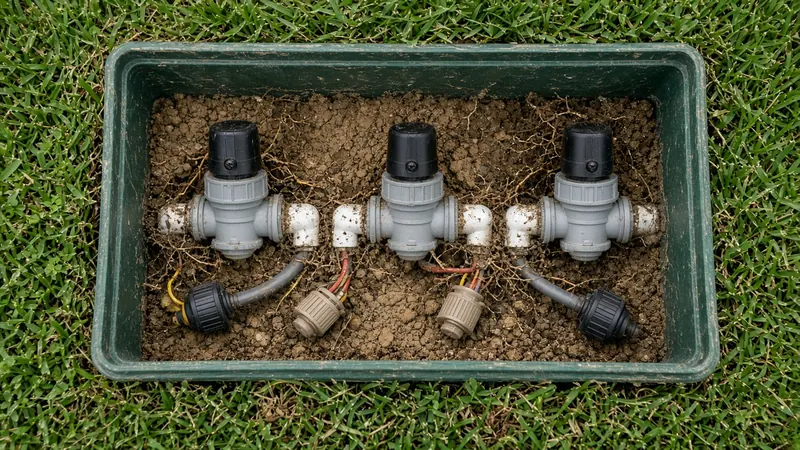
Try the manual bleed at the valve. If you can find the valve, opening its manual bleed screw or lever should turn the zone on with water pressure alone. If the zone runs with the bleed open but not from the controller, the valve’s hydraulics are fine and the problem is electrical.
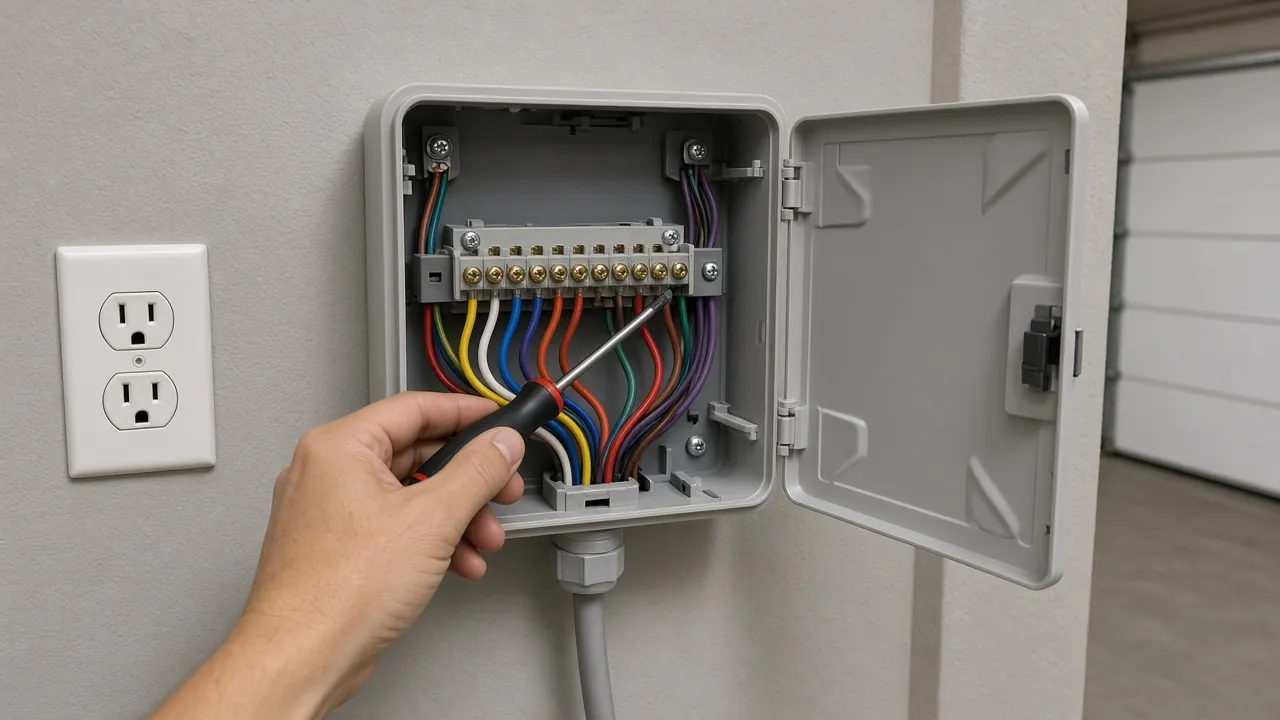
The three usual causes
A dead solenoid
The solenoid is the small cylinder on top of the valve with two wires coming out. Its coil can burn out or corrode. When it fails, the controller sends power but nothing moves. We test it with a meter: a solenoid has a typical resistance range, and one reading open or shorted is bad. Solenoids are inexpensive and swap out without replacing the whole valve.
A cut or corroded wire
This is extremely common in Dallas neighborhoods. Fence replacements, cable and fiber installs, landscapers digging new beds and plumbers trenching for gas or sewer all cut sprinkler wire. Each zone has its own wire, and all zones share a common wire. If one zone stops, its own wire may be cut. If several zones on the same side of the yard stop at once, the common wire is a likely suspect.
Old splices are another weak spot. Wire nuts wrapped in tape, sitting in a muddy valve box, corrode over a few years. The connection gets weaker until the solenoid no longer gets enough voltage.
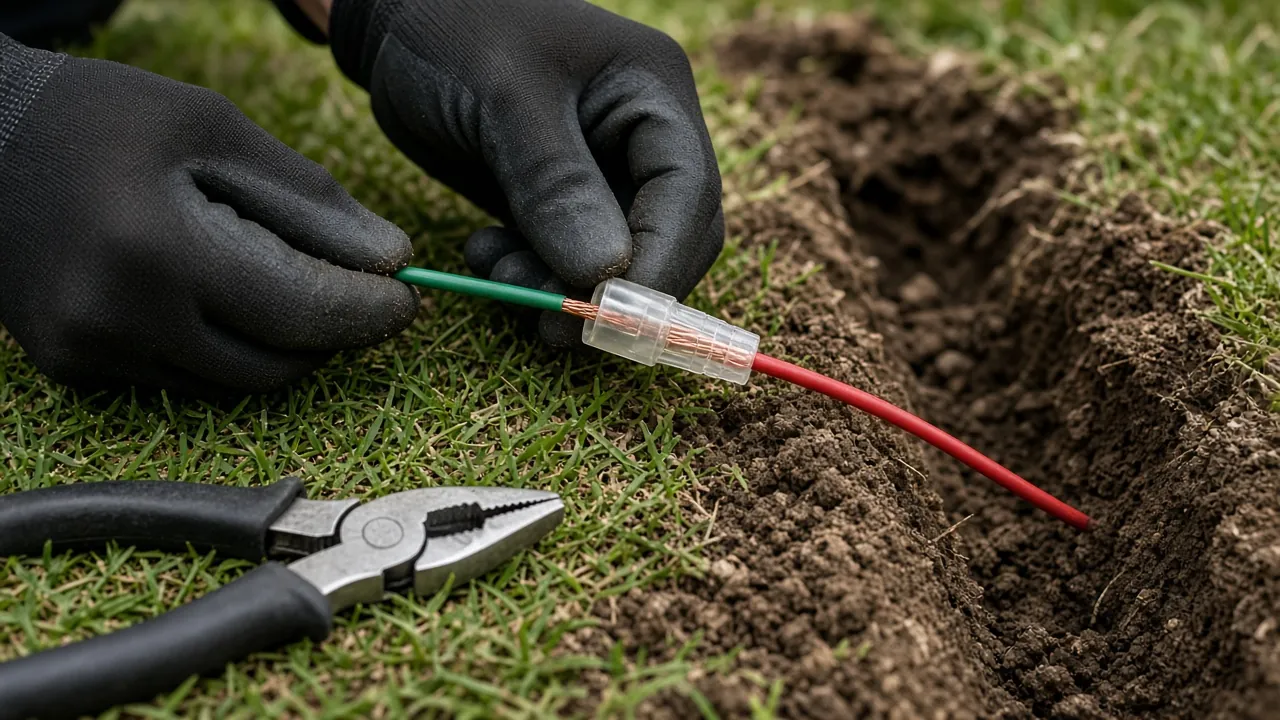
We test from the controller end and the valve end to find whether the circuit is complete. If not, we trace the wire with a locator to find the break, then splice it with waterproof gel-filled connectors made for direct burial.
A controller problem
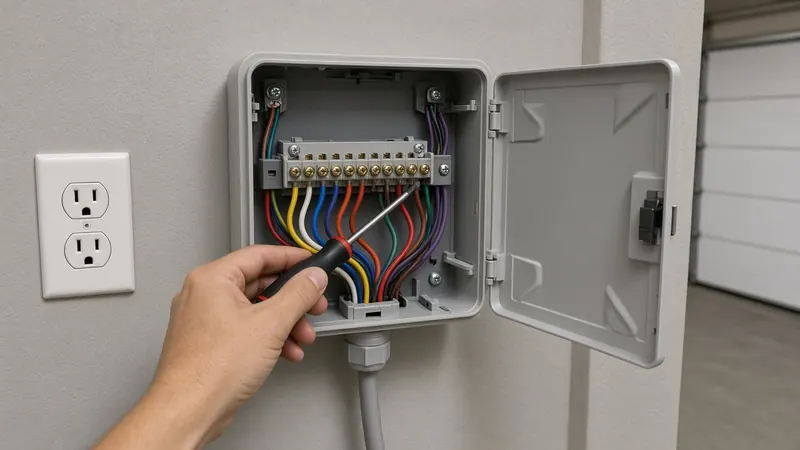
If the controller is not sending voltage to that station, the output may be damaged. Lightning and power surges can knock out individual stations or the whole board. Sometimes moving the zone wire to an unused station terminal is a temporary fix. If several outputs fail or the controller is old, replacement is often the better move.
When several zones stop at once
- All zones stop: check power to the controller, the transformer, the sensor, and whether the controller is set to off or rain delay. Then check the master valve or pump relay if the system has one.
- A group of zones stops: suspect the common wire or a shared splice.
- Zones run but with no water: the irrigation shut-off may be closed, or the backflow device may be off or damaged.
A zone that runs but waters poorly
If the zone turns on but water barely comes out, that is a different problem: a leak on the lateral, a valve not opening fully, a closed flow control, or too many heads on one zone. See why sprinkler heads stop popping up.
Why we test before replacing
It is tempting to replace the controller first because it is visible and easy to buy. But if the actual problem is a cut wire, a new controller will not help. Testing the circuit takes a few minutes and tells us exactly where the break is. That saves you money and gets the zone working the first time.
Preventing future failures
- Mark wire and valve locations when you know a fence or bed project is coming, and tell the crew
- Use waterproof connectors for any splice
- Keep valve boxes clean and dry
- Consider a surge protector or a controller with surge protection if you have lost stations to storms before
Call us
If a zone has stopped working, call 469-208-4222. Tell us whether the controller shows an error, whether one zone or several stopped, and whether anything was dug recently. That narrows it down before we arrive.
Have a question this did not answer? Call 469-208-4222 and ask. More articles on the blog.